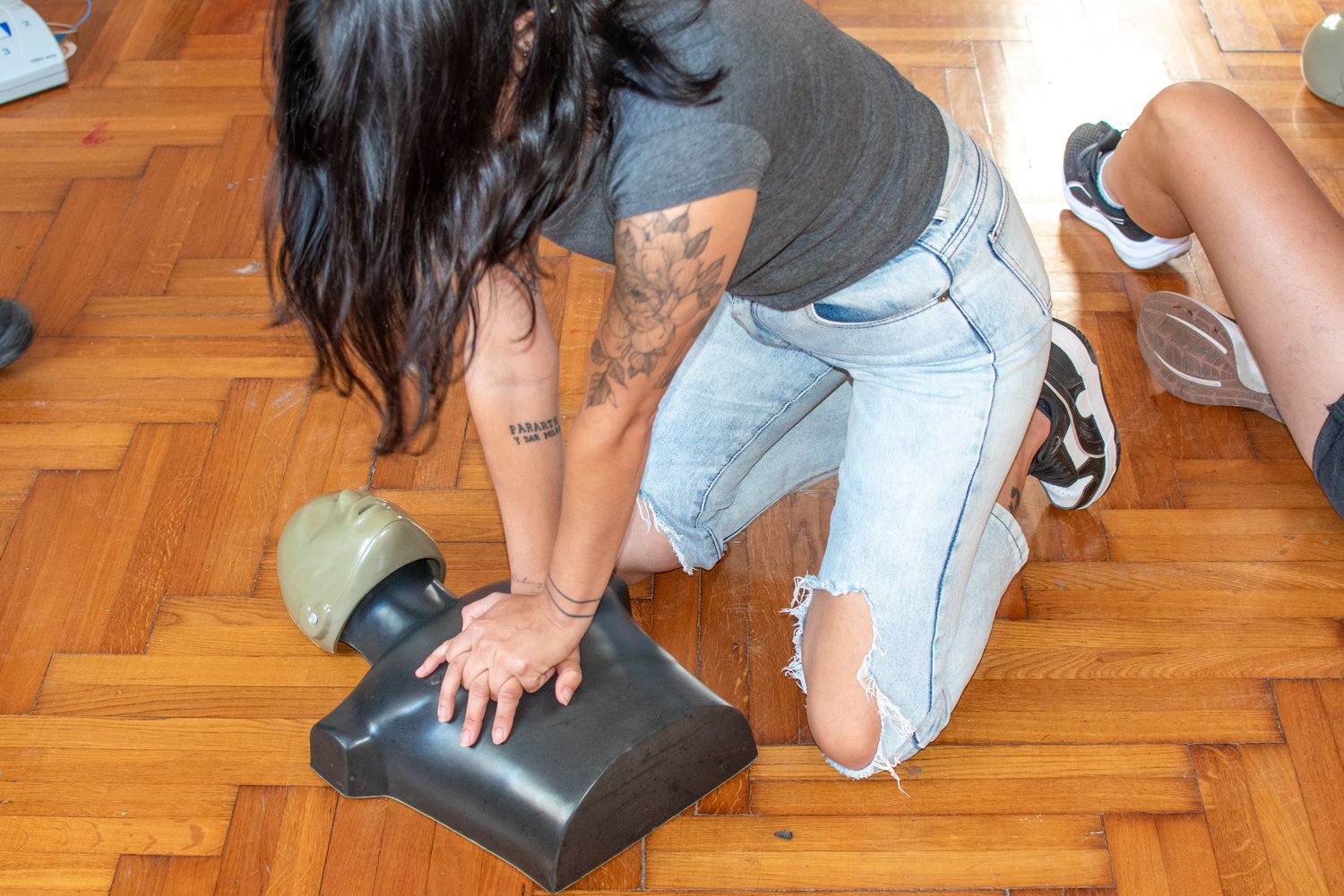
Core skill
CPR & resuscitation practice
Develop technique, rhythm and confidence using practical training equipment.
Build practical emergency-response confidence through AOSH UK first aid qualifications for workplaces, designated first aiders, childcare professionals and people responsible for others.


Develop calm, structured first aid response through hands-on learning and guided practice.
First aid competence becomes stronger when learners repeatedly practise essential actions in realistic training scenarios.
Develop technique, rhythm and confidence using practical training equipment.

Learn structured casualty care and bleeding-control techniques.
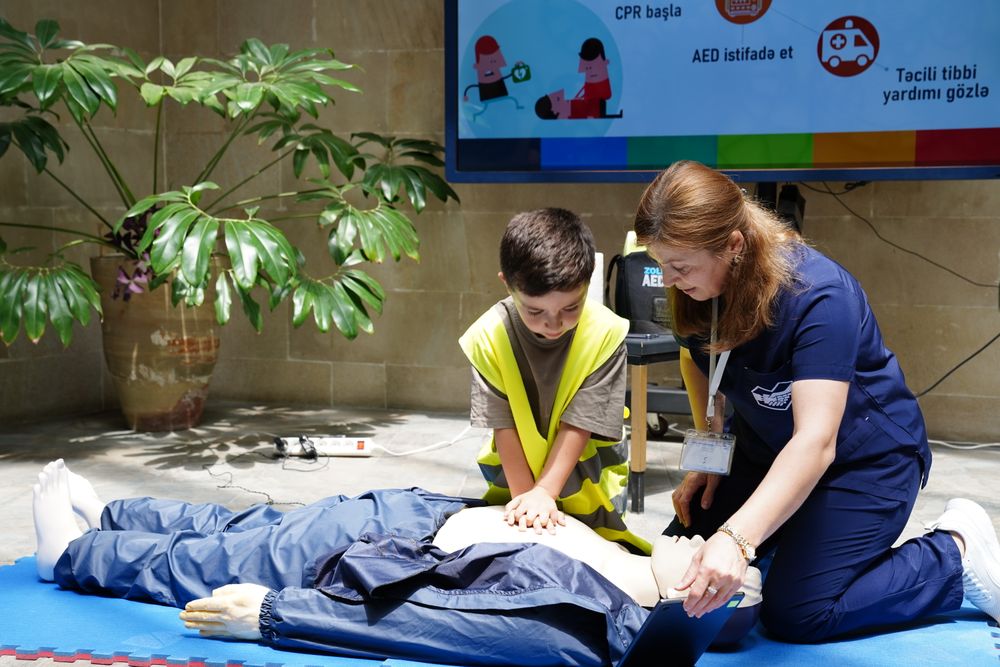
Build age-appropriate first aid confidence for infants and children.
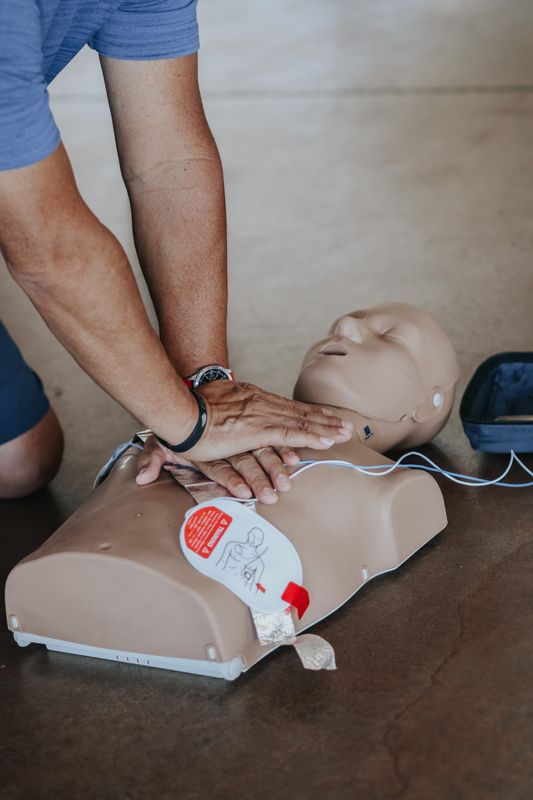
Practise the sequence of actions required when an emergency unfolds.
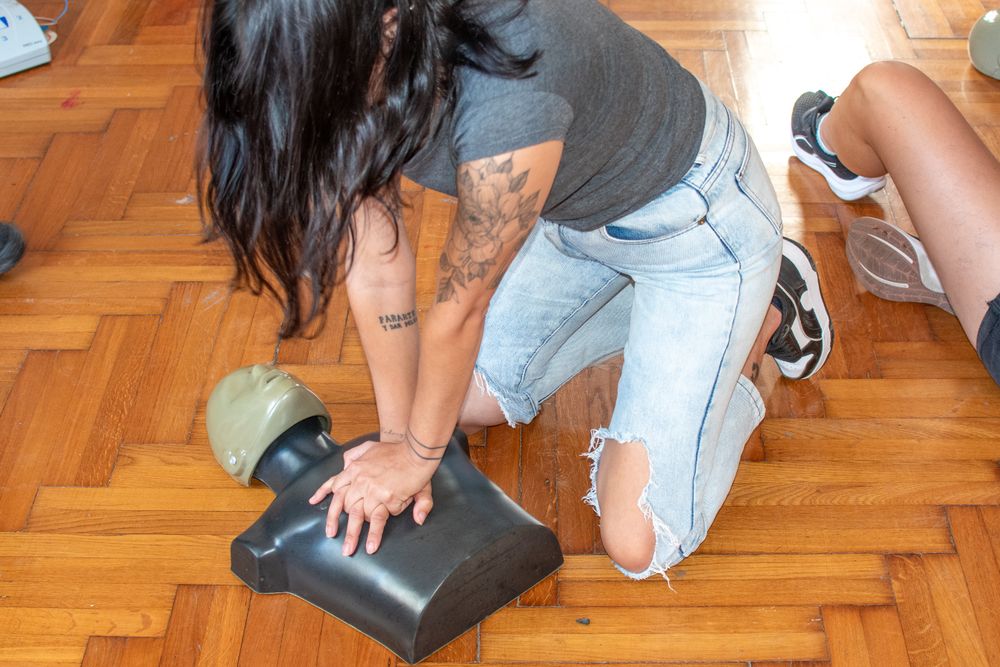
Improve positioning, technique and decision-making through guided practice.
Select the situation closest to your responsibility. This is a quick guide; your employer's first aid needs assessment and the current approved-centre requirements should guide the final choice.
Choose one option to see the recommended starting point.
Suitable for learners who need concise workplace emergency-response capability covering core first aid, CPR and casualty care.
View Course DetailsSwitch between qualifications to compare course purpose, learning time, audience, benefits and key learning outcomes.
A concise workplace qualification focused on core emergency first aid capability.
This qualification develops essential first aid knowledge and practical response skills for workplace emergencies, including initial assessment, CPR, unconscious casualties, choking and bleeding control.
A broader workplace qualification for people with designated first aid responsibilities.
This Level 3 pathway develops broader workplace first aid competence for people expected to manage a wider range of injuries, illnesses and emergency situations.
Child-focused emergency first aid for people responsible for infants and children.
This qualification focuses on age-appropriate first aid response for infants and children, including paediatric CPR, choking, illness, allergic reactions and injury management.
Use this overview to understand the main difference between emergency workplace response, broader workplace first aid and child-focused first aid.
Focused workplace emergency-response qualification.
Broader workplace first aid capability for designated responders.
Child-focused first aid for infants and children.
First aid training should be selected around your actual role, workplace risks and responsibility for adults or children.
Level 2 supports core workplace emergency first aid for learners who need essential lifesaving capability.
Level 3 First Aid at Work is suited to designated first aiders who need wider incident-response capability.
Level 3 Paediatric First Aid is designed for people responsible for infants and children.
The most suitable qualification depends on workplace hazards, first aid needs and the learner's level of responsibility.
For teams working in environments where physical injury risks may be higher.
For employees supporting emergency preparedness in professional workplaces.
For customer-facing teams that may need to react quickly to injury or illness.
For schools and education environments requiring trained emergency responders.
For nursery staff, childminders, nannies and people responsible for children.
For people supporting groups, events, communities and voluntary activities.
Speak with Accel Vision about the AOSH UK First Aid qualification that best matches your role, workplace responsibilities and learning needs.